Simple Steps to Design, Budget, and Build Your Deck the Right Way
Planning a successful deck installation project starts with a clear goal, a realistic budget, and a solid timeline. You need to know how you will use the space, how much you want to spend, and what local rules apply. When you plan each step before construction begins, you avoid delays, surprise costs, and safety problems later on.
What You Need Before Starting
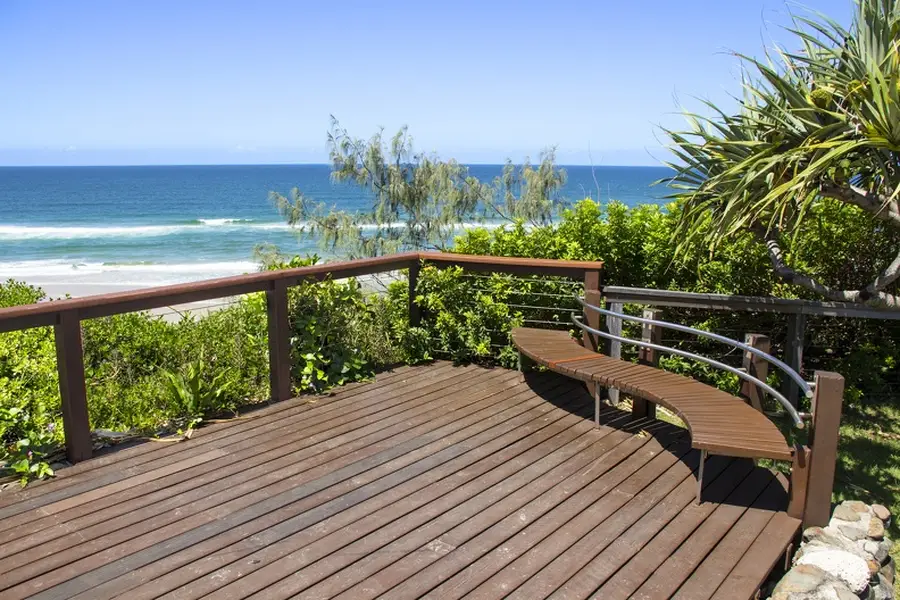
Before any deck installation begins, take time to gather key details. Think about how the deck will fit your home and yard. A small platform for grilling has different needs than a large space for parties.
You should also check local building codes and permit rules in Lynn, MA. Many areas require approval before posts go in the ground. Skipping this step can lead to fines or having to remove the structure.
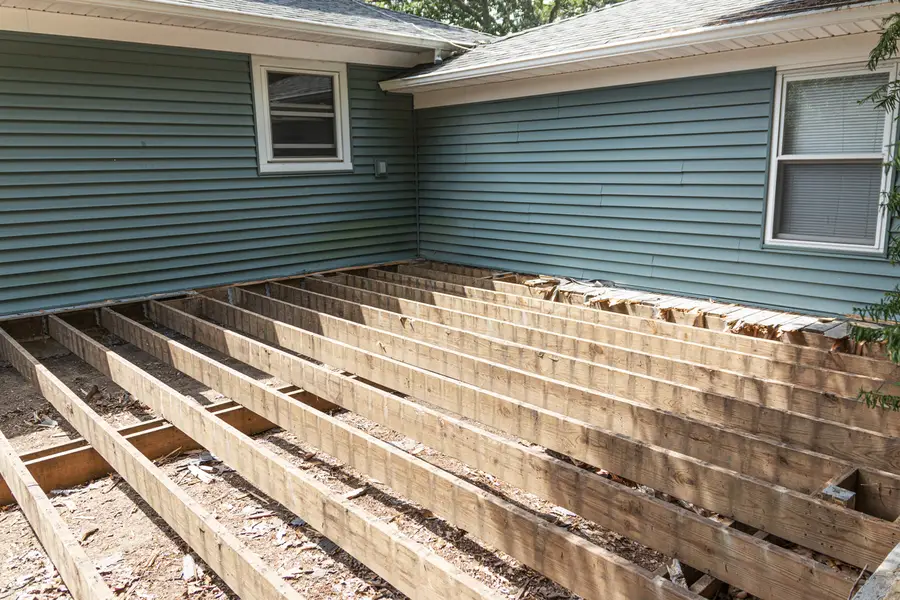
Here are a few things to have ready:
- A rough sketch with size and layout
- Property line details
- Budget range for materials and labor
- Material choice, such as wood or composite
- Timeline goal for completion
If you are working within a broader home improvement or outdoor living plan, make sure the deck design matches the rest of the project.
Step-by-Step Planning Process
Once you have the basics, follow a simple order. Planning in steps keeps the project clear and manageable.
- Choose the location. Pick a spot with good drainage and easy access from your home.
- Decide on size and shape. Think about furniture, grills, and walking space.
- Select materials. Pressure-treated lumber costs less. Composite boards last longer and need less upkeep.
- Set your budget. Include permits, materials, hardware, and labor.
- Create a timeline. Plan around weather and material delivery.
- Apply for permits. Submit drawings if required.
- Schedule the build. Confirm start and finish dates.
Each step builds on the one before. Rushing can cause design changes after work has started, which adds stress and cost.
Common Mistakes to Avoid
Many homeowners jump into deck installation without thinking through daily use. One mistake is building too small. After adding a table and chairs, there may be little room left to move.
Another mistake is ignoring sun and shade. A deck that faces direct afternoon sun can become too hot during summer. Adding shade plans early helps avoid this issue.
Poor footing placement is another problem. Posts must sit on stable ground at the correct depth. Weak support can lead to sagging or shifting over time.
Finally, do not guess at costs. Small items like railings, stairs, and fasteners add up quickly. A detailed estimate prevents budget shock halfway through the project.
When to Call a Professional
Some homeowners feel comfortable building a small platform deck. But larger or raised structures often need expert help. If your design includes stairs, built-in seating, lighting, or complex framing, a professional can prevent costly errors.
You should also call for help if:
- The deck will attach to your home
- The ground is uneven or sloped
- You are unsure about code requirements
- You want custom features
A trained contractor understands structural spacing, load limits, and proper fastening methods. That knowledge protects both your investment and your family.
Final Recommendation and Next Steps
Careful planning makes deck installation smoother and less stressful. Start with a clear purpose. Measure your space. Set a firm budget. Follow each planning step in order. If you want guidance for your project in Lynn, MA, I invite you to call Alvaro's Handyman Services at (781) 548-5877. I will walk you through your options, answer your questions, and help you plan a deck installation that fits your home, your needs, and your budget.